


Gutter Cleaning Mistakes That Can Damage Your Roof and Foundation in Nashville, TN
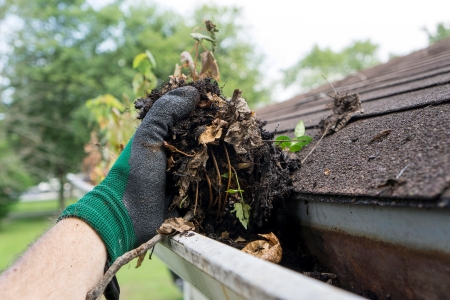
If you own a home in Nashville, you already know how fast a clear blue sky can turn into a hard rain. That is why gutter cleaning in Nashville, TN is about more than curb appeal. It is about keeping water away from your roof, walls, and foundation. When gutters are handled the wrong way or ignored for too long, small slip-ups become big problems. To keep your home protected, many homeowners rely on professional gutter cleaning from Nashville Clean Windows & Pressure Washing.
Why Small Gutter Mistakes Become Big Nashville Problems
Middle Tennessee weather brings quick thunderstorms, long fall leaf drops, and winter freeze-thaw cycles. Gutters carry thousands of gallons of roof runoff away from your house during these shifts. When clogs or damage slow that flow, water looks for the easiest path. It can creep under shingles, soak fascia boards, stain siding, or pool along the foundation. Nashville’s mix of clay-heavy soils and sloped yards means standing water near the house is never harmless. It can seep into crawl spaces, worsen humidity, and stress your foundation over time.
Neighborhoods with mature trees like East Nashville, Green Hills, Sylvan Park, and Bellevue shed heavy leaf and twig loads each fall. Shingle grit from summer storms adds to the buildup. Without the right approach, that debris compacts like wet concrete inside troughs and elbows. The result is overflow during even average rain, not just the big downpours.
Top Gutter Cleaning Mistakes That Put Your Roof At Risk
Untrained cleaning can cause new issues while trying to solve old ones. Here are common mistakes that quietly invite roof trouble:
- Skipping downspout clearing. Even if the trough looks tidy, hidden blockages in elbows or underground extensions send water back up to the roof edge.
- Pushing debris toward outlets. Packed leaves at the outlet act like a cork, forcing water to spill behind the gutter or over the front lip.
- Resting heavy tools on the gutter. Extra weight bends the channel and loosens hidden fasteners. A slight sag traps water and accelerates rust or rot.
- Knocking sealant loose at seams. Older sealant can peel when scraped. That tiny gap becomes a steady drip onto fascia or soffits.
- Ignoring misaligned hangers. A gutter can look straight from the yard and still be out of pitch by a fraction of an inch, which is enough to hold water.
- Assuming guards eliminate maintenance. Covers reduce bulk debris, but seeds, shingle grit, and pollen still collect and clog outlets.
Even a small overflow during a short storm can wick under shingles and wet the roof deck. Over time, those wet spots encourage mold and weaken the structure. If you see staining or peeling paint under the eaves after rain, that is a red flag the system is not moving water as designed.
Foundation Damage: How Blocked Gutters Push Water Where It Shouldn’t Go
Gutters are your home’s first line of defense for the foundation. When they fail, water piles up near the base of the house. In areas like Donelson, Hermitage, Madison, and Antioch, older homes with shallower crawl spaces feel this first as damp, musty air. Newer builds with mulched beds may hide the problem behind landscaping while water quietly softens the soil along the footings.
When soft soil meets a heavy downpour, it shifts. That movement develops hairline cracks that grow with each wet-dry cycle. Winter freeze can widen them. Over months, you may notice sticky doors, sloping floors, or a musty odor. Keeping roof runoff away from your foundation is one of the simplest ways to avoid these headaches, and it starts with a gutter system that is clear, aligned, and sealed.
Warning Signs Your Gutters Are Clogged
Watch for these early clues so you can address problems before they become repairs:
- Waterfalls over the gutter edge during normal rain
- Black streaks or orange rust lines on the front of the gutter
- Soaked mulch, washed-out soil, or moss lines under roof edges
- Puddles near the foundation hours after a storm
- Peeling paint, soft fascia boards, or mildew on soffits
- Splashes of dirt on lower siding after rain
If any of these show up around your home, the system needs attention. Catching them early is the difference between a simple fix and moisture damage that lingers.
Why Downspout Flushing Matters In Nashville
Nashville roofs shed plenty of shingle grit and seed pods. That fine material settles at elbows, tees, and the first bend off the gutter. It is why visual checks miss so many clogs. A downspout can look clear at the top yet be packed tight just a few feet below. Hidden blockages choke the system during fast summer storms, sending water back up the downspout and into the trough.
Proper flushing pushes debris out, not deeper into the line. It clears outlets, reveals slow leaks at seams, and confirms the pitch is right all the way to the splash block or extension. If you have long runs or multiple roof planes feeding one downspout, regular verification is even more important. This is a key step included with expert service from Nashville Clean Windows & Pressure Washing, and it is one of the biggest difference makers during our storm season.
How Often To Schedule Professional Gutter Service
Frequency depends on tree cover, roof type, and storm frequency. In most Nashville neighborhoods, a spring service after pollen season and a late fall service after leaves drop is a smart baseline. Homes under heavy tree canopies may need an additional mid-summer visit, especially after a line of strong storms. Fresh construction nearby can also increase dust and grit that end up in gutters.
Rather than guessing, consider a maintenance plan that tracks your home’s actual conditions. Nashville Clean Windows & Pressure Washing can adjust timing after the first visit, based on what we find in the troughs, downspouts, and seals. That keeps you covered during peak rain without overservicing.
Roof, Fascia, and Siding: The Hidden Repair Chain
One clogged outlet does not only affect the trough. Overflow soaks the fascia board, which softens and separates paint from wood. Water then slips behind the siding or onto brick ledges. In time, that moisture shows up indoors as humidity or musty smells. In multi-story homes from 12 South to Brentwood, upper-level overflows drop onto lower roof sections and wear shingles faster than normal runoff. The fix starts with a clean, balanced system that moves water quickly away from the building envelope.
The Role Of Professional Inspections
A trained eye looks past leaves. During a visit, a professional checks for early signs of failure like seam weeps, loose fasteners, pinched guards, and sag set by heavy debris. They also look at where multiple roof planes meet and where valleys dump into a single section of gutter. These are high-flow spots that need the most attention. Catching issues here prevents damage you cannot see from the ground.
What Professional Gutter Cleaning Typically Includes
Service varies by home size and condition, but the goal is always the same: restore smooth, reliable water flow. A thorough visit usually involves removing debris from troughs and outlets, making sure screens or covers are seated, verifying the pitch, and testing flow so water moves to the downspout rather than sitting in the run. Where light adjustments are appropriate, a pro can tighten fasteners, re-seat joints, and call out sections that need repair or replacement. When the job is done right, you should not see standing water in the troughs after a normal rain.
If your home has additions or complex rooflines, make sure your provider reviews every run. Corners, dormers, and inside valleys collect more debris than straight sections. Catching those trouble spots protects shingles and keeps water away from your exterior walls.
Seasonal Realities In Nashville
Spring brings pollen strings and seed pods that mat together. Summer storms knock small branches into the gutter line. Fall fills the system with oak leaves and maple helicopters, especially around older streets in Lockeland Springs and Richland-West End. Winter adds freeze-thaw cycles that can widen minor gaps at seams. Together, these seasons create a cycle where gutters need planned care, not a once-and-done approach.
Homes near tall trees or in wind corridors will see more debris. Roofs with a shallow pitch shed water slower and need clear outlets to keep up. Garages and porches with shorter runs can hide clogs because overflow may fall into flower beds rather than onto walkways. A schedule tailored to your property keeps water flowing out and away, not down your walls.
When To Act Immediately
Certain signs call for quick attention. If you notice water lines on interior ceilings after rain, that might be a roof issue, but it can also start with gutter overflow forcing water under shingles. If fascia boards feel soft when lightly pressed, they may have stayed wet too long. If the ground near your foundation stays spongy days after a storm, runoff is not getting far enough from the house. In each case, a professional visit can pinpoint the exact source and stop the chain reaction before repairs stack up.
Protect Your Home With A Trusted Local Team
Your home is one of your biggest investments, and it deserves reliable protection every time it rains. For honest recommendations and skilled service, schedule with Nashville Clean Windows & Pressure Washing. Our team specializes in pressure washing and gutter care that keeps water moving the right way. If you want to learn more about options for your property or set a maintenance plan, start here with professional gutter cleaning.
We are always happy to talk through what we find and what comes next. For fast service or to book your next visit, call 615-669-8098. You can also read more about gutter cleaning Nashville from Nashville Clean Windows & Pressure Washing and see how we help homeowners across the area.





