


How Often Should You Pressure Wash Your Nashville Home’s Exterior?
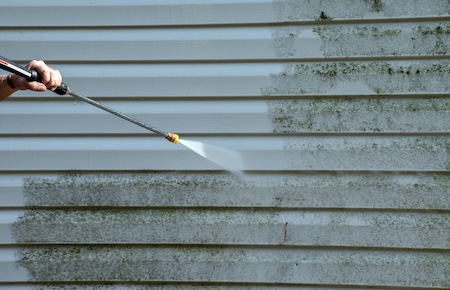
If you’re asking how often to pressure wash your house in Tennessee, you’re not alone. Nashville’s mix of humid summers, spring pollen, and shaded tree canopies can age siding fast. Most homes do best with a routine on a 12–24 month cycle, adjusted for shade, trees, and traffic. When it’s time, choose professional pressure washing so your siding, paint, and sealants are treated the right way by trained pros at Nashville Clean Windows & Pressure Washing.
How Often To Pressure Wash In Nashville
For many Nashville homes, a yearly inspection and cleaning every 12–18 months keeps algae and grime from setting in. Homes with heavy shade, trees close to the siding, nearby construction dust, or high road traffic may need cleaning closer to every 9–12 months. If your home gets full sun and good airflow, you may be comfortable at 18–24 months.
Think of it like routine dental cleanings. You can wait, but buildup is harder to remove and can discolor surfaces. Do not wait if you see mold or algae, because it spreads in warm, damp weather and can stain paint and siding.
What Drives The Right Cleaning Schedule In Nashville
Nashville’s humid subtropical climate encourages mildew and algae on north and east walls that stay cooler and damp longer. Spring pollen coats everything with a sticky film. Summer storms splash soil up on lower panels and porches. Fallen leaves in late fall hold moisture around the trim and on the steps.
Nearby trees and shrubs increase shade and hold moisture close to the house. Lakeside and creek-adjacent lots may see more morning dew. High-traffic streets kick up fine dust that bonds to paint. Combine these, and you get a simple rule: the more shade and moisture, the more often you’ll need exterior cleaning.
Recommended Timelines By Surface Type
Vinyl and Fiber Cement
Vinyl and fiber cement siding usually look best when cleaned every 12–18 months. If you notice chalky residue on painted fiber cement, that’s a sign of oxidation and environmental wear that benefits from a gentle, professional wash.
Brick and Stone
Brick can hide dirt, but mortar lines trap algae and soot. A 12–24 month cadence is common, with attention to shady sides and near ground level where splashback occurs. Professional methods target biological growth without harming the mortar.
Stucco and Painted Wood
These surfaces need a gentler approach to protect finishes. Plan on 12 months, especially on shaded sides. If paint looks dull or you see small black specks that return after rain, it’s time to refresh the surface with the right low-pressure process.
Trim, Gutters, and Soffits
These areas collect streaks that drag down curb appeal. Have them cleaned whenever you wash the main siding so the whole exterior ages evenly.
Seasonal Timing: Best Months For Exterior Cleaning
For many homeowners, late spring and early fall offer comfortable temperatures and steady results. Spring clears pollen film so your paint looks crisp through summer. Fall removes algae and leaf stains before winter dampness settles in. Avoid extreme heat and freezing days, which can dry soaps too fast or slow rinse water from evaporating.
Scheduling around weather windows helps. After a stretch of rain, surfaces are often primed with organic buildup. After a dry spell, dust bonds to paint. A pro team watches these patterns and books you when conditions support a safe, even clean.
Clear Signs Your Siding Needs Washing
- Green or black streaks on shaded sides or near downspouts
- Yellow pollen film that smears when you wipe it
- Dark drip lines below window sills and on gutters
- Spider webs and grime clinging to porch ceilings and soffits
- Musty smell and dull color on siding or trim
Why Professional Service Matters
Home exteriors have different coatings, sealants, and age levels. The wrong approach can force water behind siding or strip paint. A trained crew chooses the right flow rate, tip, and detergent dilution for each surface and rinse path. That care protects caulk lines, window seals, and landscaping.
Delicate materials benefit from soft washing, a low-pressure method that relies on dwell time and rinsing rather than brute force. On tougher buildup, pros combine techniques to lift grime without etching. When results, safety, and warranty-friendly care matter, lean on our pressure washing specialists for a finish that looks clean and lasts.
Neighborhood And Property Factors Around Nashville
Shaded, tree-lined streets in areas like Green Hills, Belle Meade, and Bellevue can see more algae on the north and east elevations. Homes near the Cumberland River, Radnor Lake, and neighborhood creeks often get heavier morning dew. In fast-growing corridors with construction and traffic, light-colored paint shows dust more quickly.
Corner lots pick up more road spray, and cul-de-sacs can trap leaves near foundations. If your backyard faces thick woods or a golf course, pollen and shade often shorten the cleaning cycle. Tailor your schedule to your yard’s shade map, not just the calendar.
A Simple Yearly Plan That Works
- Set a recurring late spring or early fall cleaning so buildup never gets ahead of you.
- Walk the north and east sides each quarter for streaks or musty smells.
- Note storm-heavy months; if you had repeated downpours, expect splashback on lower panels.
- Pair gutter cleaning and siding washing to keep drip lines and fascia bright together.
For extra reading between visits, browse our seasonal cleaning tips so you know what to watch for as the weather shifts.
Timing Your Cleaning With Nashville’s Weather
In a typical year, mild days in spring and fall are ideal for even rinsing and predictable dwell times. If you book in midsummer, early morning appointments can help soaps work before the day heats up. In winter, it’s still possible to clean on suitable days, but timing and technique should be adjusted by a pro. Schedule cleanings before big pollen spikes to keep yellow film from sticking to fresh paint.
Protecting Paint, Caulk, And Landscaping
Painted and sealed surfaces look better and last longer when organic growth is removed before it anchors. Proper rinsing protects plants and soil. Window seals, vents, and trim need care to keep water pointed away from vulnerable edges. Choosing a professional who respects your home’s materials and garden is as important as the cleaning itself.
How Often To Pressure Wash: Quick Reference
- Vinyl and fiber cement: 12–18 months
- Brick and stone: 12–24 months
- Stucco and painted wood: 12 months
- Trim, gutters, soffits: with each full wash
If storms, pollen, or shade are heavier than usual this year, simply pull your next visit forward. When in doubt, a brief visual check after heavy weather is a smart habit.
Who You Choose Makes The Difference
Great results come from process and care. Crews that prep properly, protect landscaping, and rinse methodically deliver a consistent finish. They also help you set a smart rhythm, so your home doesn’t slip back into the cycle of algae and stains. If you want a simple plan that fits your paint, siding, and shade, Nashville Clean Windows & Pressure Washing is ready to help with expert scheduling and service.
Learn more about our approach and see why homeowners trust our professional pressure washing for lasting curb appeal. For an overview of other solutions that round out your care plan, explore our related Nashville pressure washing resources and book the season that fits your calendar.
Ready For A Cleaner Home In Nashville?
Keep your exterior bright and protected with a schedule that suits your siding, sunlight, and shade. Call Nashville Clean Windows & Pressure Washing at 615-669-8098 to set your annual or semiannual plan. If you’re planning ahead for spring or fall, our team will help you pick dates that work with local weather and your routine so your home looks its best all year.





